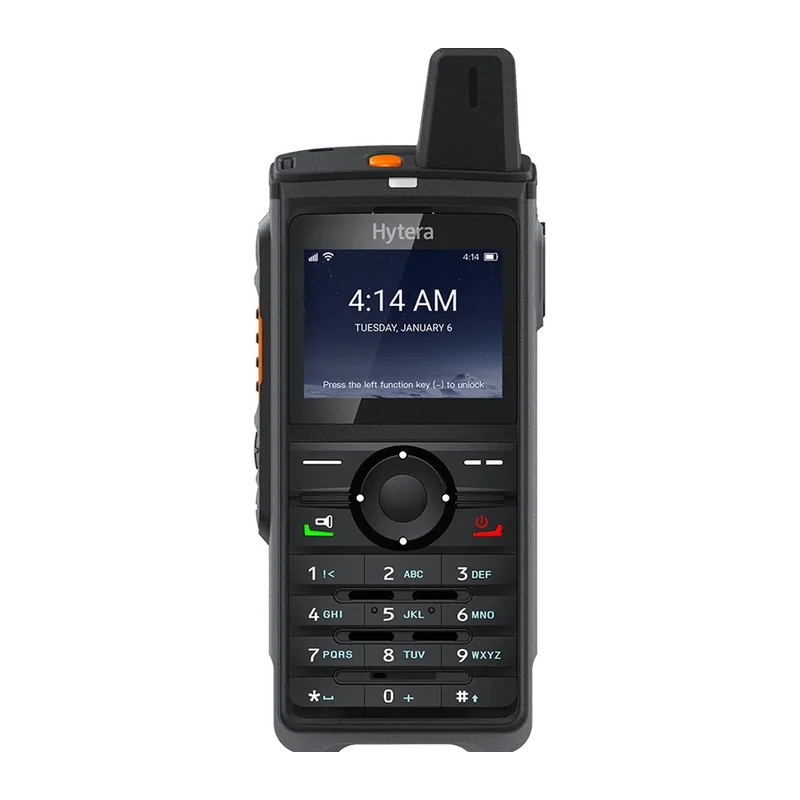
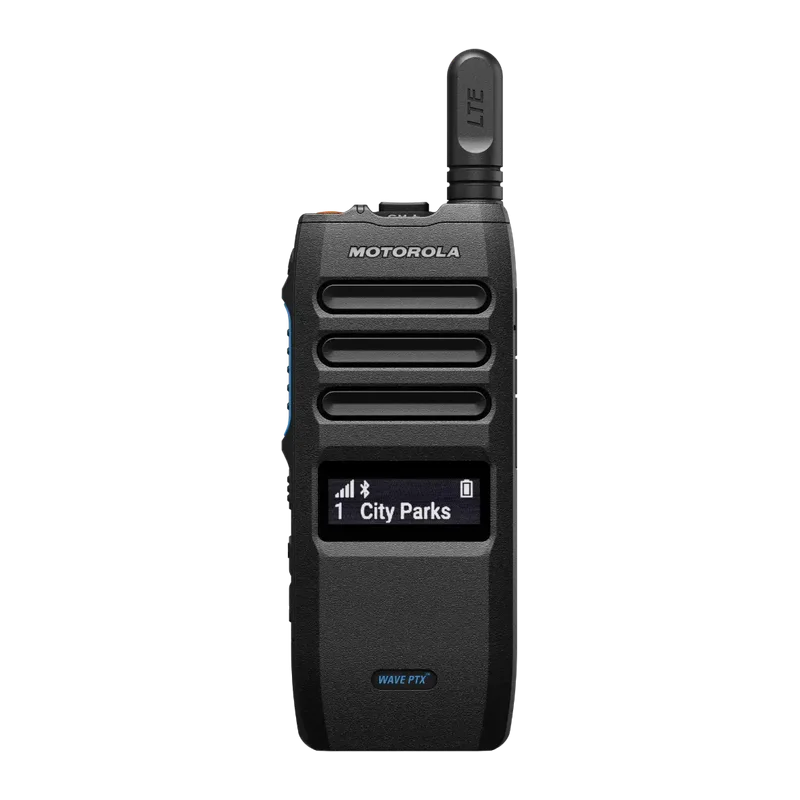
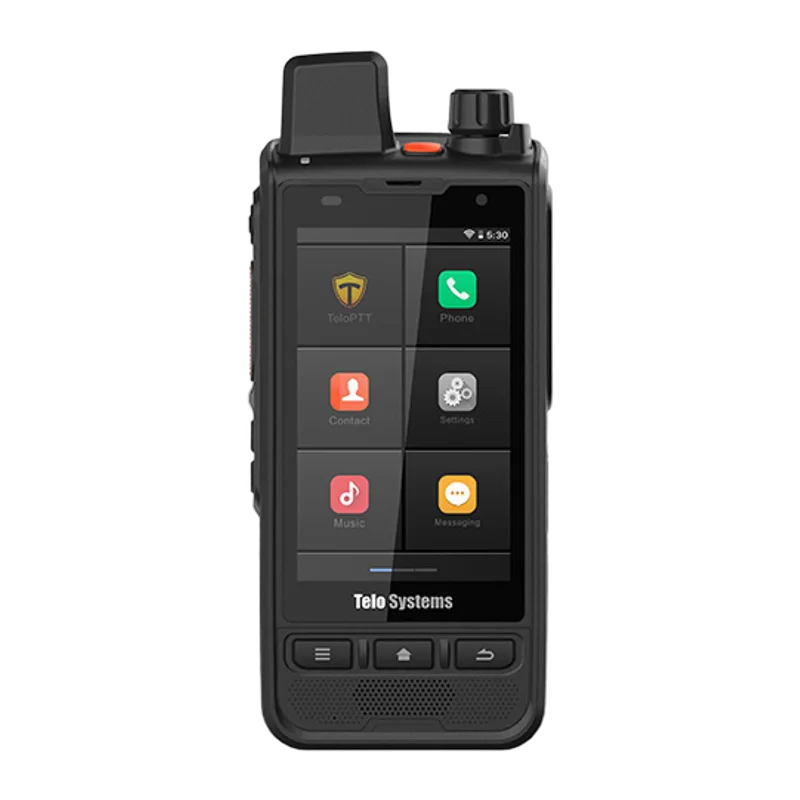
A PoC radio (push-to-talk over cellular, also written PTToC) works like a two-way radio: press the button, talk, and the whole group hears you at once. The difference is the path the voice takes. Instead of going over the air to another radio or a repeater, it travels over a carrier’s SIM and data network (4G or 5G), like a phone. That is why it is also sold as an “LTE radio”, “cellular walkie-talkie” or “nationwide walkie-talkie”.
How it works
- You press the PTT button and talk.
- The device sends the compressed voice over mobile data to the server of a PoC platform.
- The platform relays the voice to every device in the group, wherever they are, as long as they have signal.
To use one you need three things:
- The device: a handheld PoC radio, a rugged phone with a PTT button, a vehicle terminal or a dispatch console.
- A SIM with a data plan in each device. Usage is low: Zello, for example, reports an average of 70 to 100 MB a month per user.
- An account on a PoC platform, which sets up groups and users and often a dispatch console and GPS map. Platforms named on the directory’s device pages include Zello, WAVE PTX, HyTalk, eChat, NXRadio and ProChat.
Many PoC radios run several platforms, but some are locked to one. Before buying, check which platforms the device page lists and ask the seller whether the unit is locked.
What it does well
- Network range, not antenna range. Two people in different cities talk as if they were side by side, as long as both have data signal.
- No frequency license of your own. Professional DMR and analog radios need a license to use a frequency. A PoC radio uses the carrier’s network, which already holds one.
- Smartphone features. GPS, messages, private calls, call recording and dispatch from a computer, depending on the platform.
Where it falls short
- No signal, no talk, not even with a colleague ten meters away. Underground, in mines, on remote farms or anywhere without coverage, a PoC radio alone is not enough. Hybrid radios that also carry DMR or analog, and MCPTT with direct mode (below), exist for that.
- It depends on the carrier’s network. At big events or during emergencies the public network can get congested.
The guide PoC radio vs DMR, analog radio and PTT apps compares the options side by side.
Type approval
A PoC radio has a cellular radio inside, so it needs type approval in each country where it is used. In Brazil, for example, the General Telecommunications Law (art. 162, §2) forbids using radio-frequency equipment without a certificate issued or accepted by Anatel, and in 2025 Anatel sealed 3,300 non-compliant products in marketplace warehouses.
PTToC shows, on every device page, the approvals found in public registries (FCC, ISED, Anatel, IFT/CRT, CRC, CE and others), with the number and a link to the record. See the devices approved by country, or filter the device list by approval country.
What about “5,000 km range”?
Ads for cheap PoC radios promise “5,000 km” or “talk worldwide”. The real range is the data coverage of the carriers the devices are on, plus the reach of the platform’s server. There is no limit in kilometers. What matters is whether there is signal where your team works, and who pays for the SIM and the platform after the free period. PoC radio cost explains the “no monthly fee” offers.
MCPTT: mission-critical PoC
MCPTT (mission-critical push-to-talk) is the 3GPP standard for public-safety voice over LTE. It sets performance targets such as an access time under 300 ms, network priority, and a direct mode between devices without a network. Ordinary business use is well served by regular PoC; police, fire and critical operations usually require MCPTT. See the devices with MCPTT.
How to choose
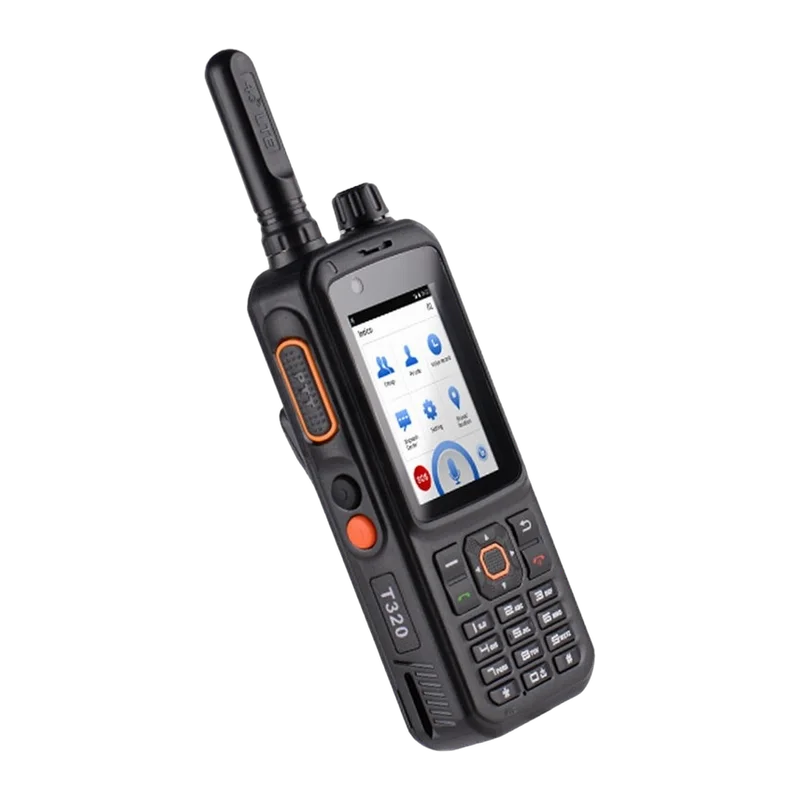
- Start with the type: handheld PoC radios, rugged phones, vehicle terminals or dispatch consoles.
- Filter by water and dust rating, ATEX (explosive atmospheres) and approval country in the device list.
- Or answer five questions in Help me choose.



 *